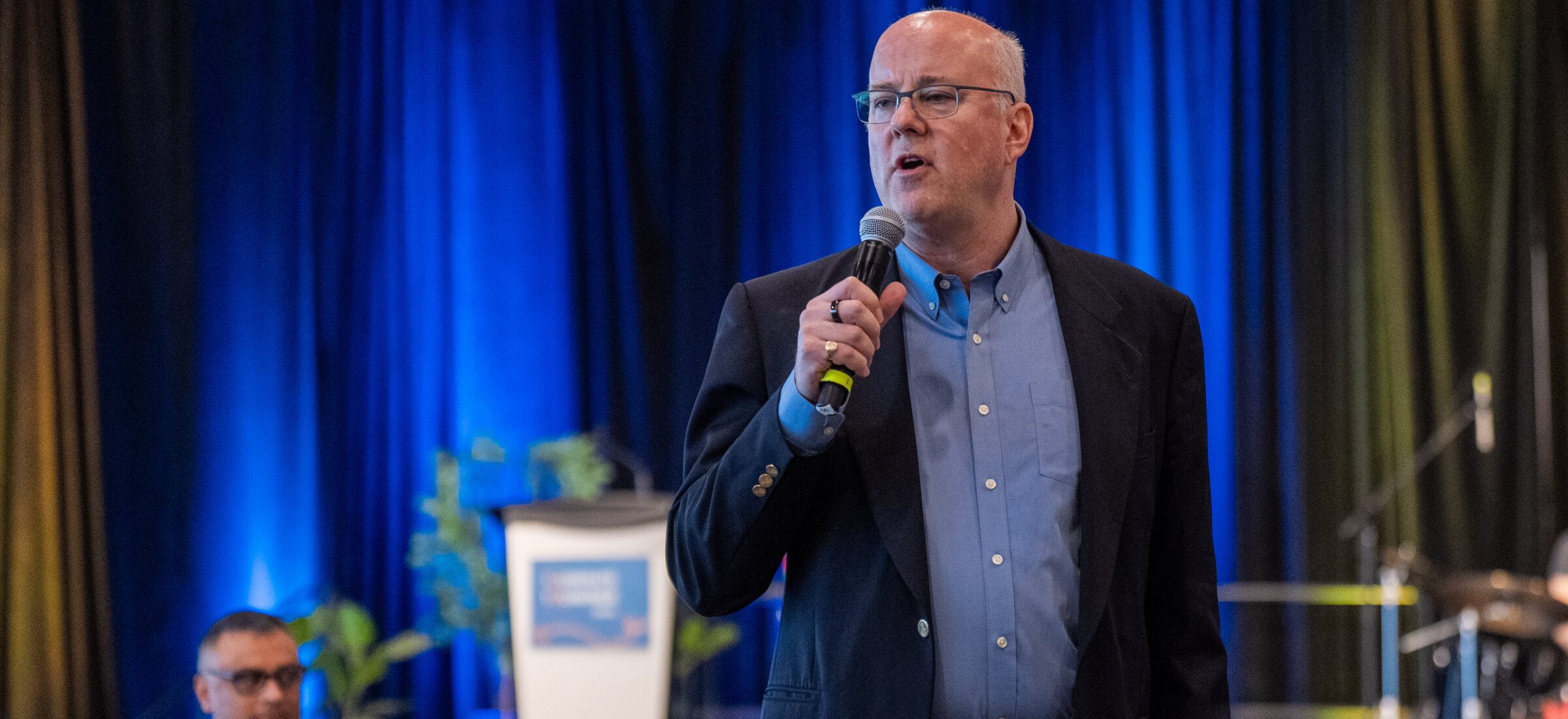

This article is written by 2025 CFC Transformation Storytelling Fellow Kat Cadungog. The Transformation Storytelling Fellowship program is supported by Canada Life.
“You’ll be fine, at least it’s trendy to support young women of colour right now,” was one of the first things someone said to me in my early days of being a new and fresh executive director to a small charity.
Not knowing how to respond, I brushed the comment off the coffee table, onto the floor, and right under the carpet. Like a polite version of what a “young woman of colour” should be, I shook their hand, thanked them for their time, and left. As I walked away, with every step I felt more and more… gross. But this feeling of disgust wasn’t only directed at this (now ex-) mentor, but also towards myself.
Was I only here because I fit a diversity checkbox? Did I deserve to be in the position that I’m in, or was I just a convenient and safe “woman of colour”? Did my silence reinforce their position?
And maybe, if I am being honest, if you looked beneath the flurry of those questions you’d find a quieter, more painful one sitting beneath: “What if they’re right?”
Raised (and trained) to adapt, I learned how to lead in ways that made me acceptable. My first-generation immigrant parents loved me deeply and through that love, believed survival sometimes meant assimilation. I don’t resent my upbringing but now, there are things they will never be able to pass down to me. There are cultural treasures I will never inherit and burdens I will never be able to carry. They let me leave behind our language, our customs, our roots, because they believed it would make my path easier and in many ways, it did. I followed the norms of predominantly white institutions: unquestioned professionalism, unspoken codes, leadership traits that were praised because they didn’t disrupt the status quo.
After that uncomfortable coffee shop comment, my career continued on. Throughout my leadership, beneath the cosmetic veneer of polished panels, composed interviews and strategic plans, a deep, miserable feeling sang to me: I was only in leadership because I was a token person of colour with good manners.
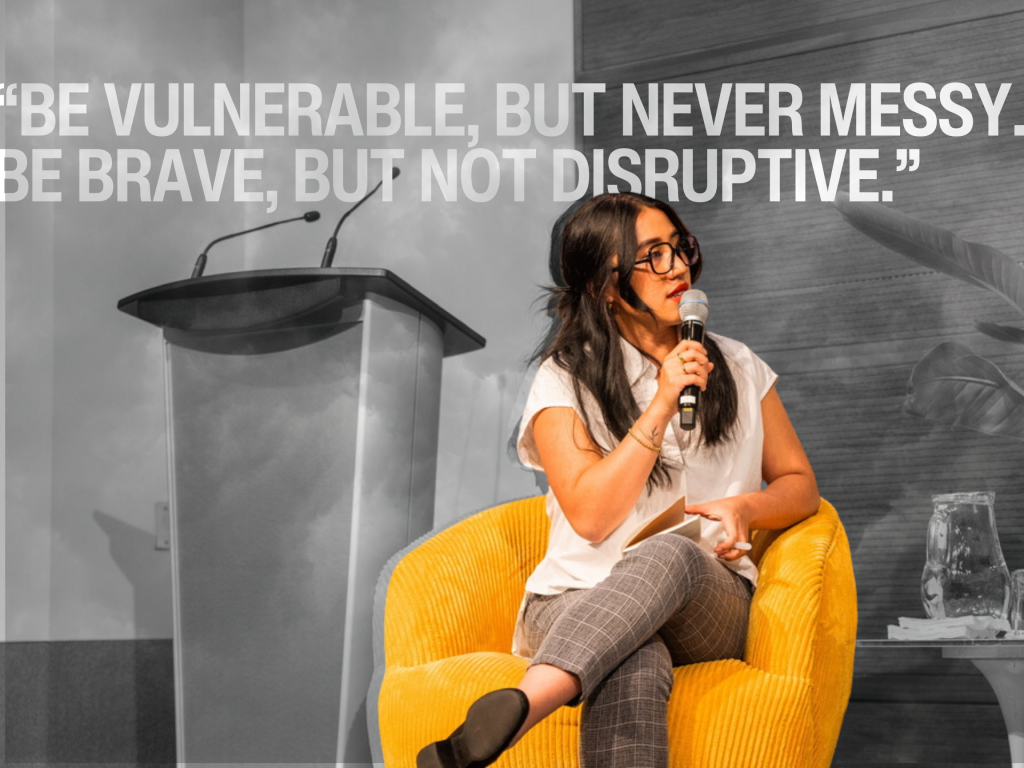
At some point, I came to believe that to succeed, I had to give up parts of myself. That my presence in certain spaces required a kind of shrinking and softening.
This reflection is part of my own reckoning as an attempt to untangle the belief that I’m only here because I learned how to “successfully” perform model minority behaviour. The model minority myth paints Asian immigrants as quiet, hardworking, and successful because they have played by the rules. As such, this myth was applied to Asian communities broadly to label Asians as submissive and well-mannered. The myth had shielded me in some ways. It protected me just enough to pass and to be allowed in. So who was I to speak of struggle? Who was I to critique this myth when, to some degree, it quietly worked in my favour? All of this while holding a deeper truth: that as a university-educated, second-generation Asian, I was perceived as someone who was safe, successful, and non-threatening, and my lived experience could never mirror the depth of pain or systemic violence that Black and Indigenous communities continue to endure. I didn’t feel like I had the right to name any type of struggle or pain. I’m still not sure if I do.
The model minority myth has been weaponized to harm other communities of colour. It’s this idea that because some Asian people have achieved a certain level of success that the system must be fair, meaning other racialized communities just need to “try harder, be more disciplined, or let go of their histories of oppression.” This sentiment is often used to minimize the impact of racism on Black and Indigenous people, suggesting that success is purely about effort, not systems of power or discrimination. In comparison, I was a palatable person of colour. I could move through institutions without setting off alarms, and I was rewarded for that. This undeserved and unfounded palatability made me question myself every time I didn’t push hard enough or speak loudly enough. I felt like I was betraying the people I claimed to stand with.
But, reflecting back, at its core, the model minority myth pits communities of colour against each other. It creates a racial hierarchy with Asians near the top as a wedge meant to distract from solidarity across racial lines. It follows the logic that if communities of colour are busy competing for proximity to whiteness, we’re not building collective power. And we’re certainly not moving together toward liberation for us all.
There are so many ways the model minority myth harms Asian leaders and other leaders more broadly. It narrows the space we’re allowed to take up. It rewards assimilation over authenticity. It asks us to lead in ways that are comfortable for others, but not always true to ourselves. The model minority myth props up white supremacy by centering success around proximity to its norms. It celebrates leaders of colour not for their lived experience, values, or vision, but for how well they can perform within a system that was never built for them. In the nonprofit sector, especially, we’ve created environments that applaud diversity in appearance but punish diversity in thought. We champion representation through hiring quotas, yet rarely question the systems these leaders are being hired into. Too often, racialized leaders are brought in as symbols of progress, only to be used as scapegoats when inclusion efforts fall short. In doing so, we’re not creating equity but asking people to succeed in a broken system and blaming them when it stays broken.
So this is the beginning of something different.
A reclaiming of leadership that makes room for contradiction, for cultural grief and quiet rage, for strength and softness, for honesty. A leadership that doesn’t just fit the mold, but questions why the mold exists in the first place.
If we truly want to support racialized leaders, we need to create space for these complex and often unspoken tensions. We need to recognize that many of us succeeded because we learned to navigate systems not built for us, systems we are now trying to challenge, even while still surviving within them.
We need to hold space for racialized leaders who are in the messy middle—leaders who are grieving what they lost, questioning what they built, and choosing to move forward in ways that feel more whole.
To my fellow racialized leaders, my heart is with you. I’m not sure I have the right answers or the kind of advice that will feel completely right. But please know this: you are seen and I recognize your struggle.
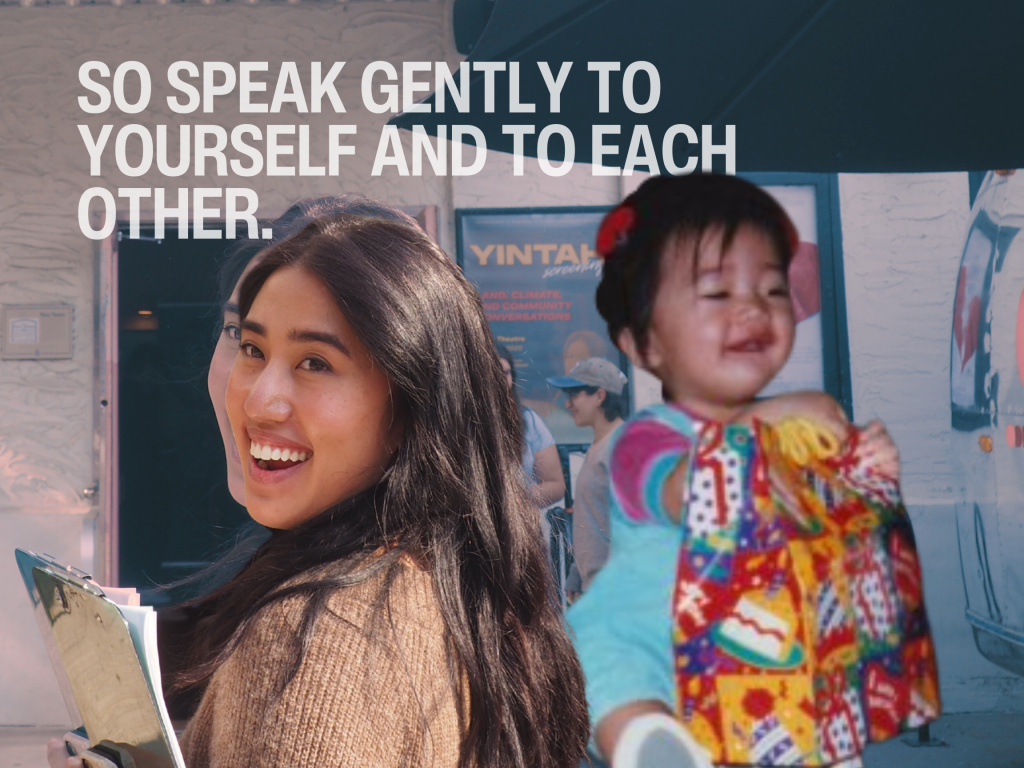
A new and much wiser mentor once told me, “Say the scary thing out loud.” Speak it, and remember: the thought that crept in, shaped by a society that was never made for you, does not define who you are. Rediscovering yourself is hard when survival has meant abandoning parts of yourself for so long. We are not martyrs; we are collateral in systems that were never designed with us in mind. So speak openly and gently to yourself and to each other. These burdens are heavy, and they were never meant to be carried alone.
Our liberation is not in fitting in, it’s in becoming fully ourselves.