This is part of our Healthy Communities Initiative series, showcasing how the $31 million investment from the Government of Canada is supporting communities as they create and adapt public spaces to respond to the new realities of COVID-19.
From coast to coast to coast, our country’s strength is in its diversity. Alberta is our country’s fastest-growing province; in 2023, the population leaped to 184,400, with much of it coming from immigration.
African newcomers are one of the largest immigrant communities moving to Alberta; in Edmonton, non-profit Sinkunia Community Development Organization (SCDO) focuses on supporting African immigrant and refugee children, youth and families.
Uplifting the community
SCDO’s mission is to help African newcomers settle, integrate, and thrive in Canada through evidence-based programs, resources, and activities. These include cultural heritage coaching, leadership training, counseling services, community services, an after school club, and an all-summer camp.
The SCDO was founded by Issa Kamara, a social worker and community developer who recognized the need to support African immigrants and refugees in Edmonton. Having experience in dealing with social and economic problems on a global scale, Kamara — who previously worked with at-risk youth — took time off from his regular work to pursue his dream of uplifting others through the SCDO.
Led by Kamara and a dedicated team, the SCDO has been successfully running for 16 years.
Deep understanding of the community’s needs
In 2009, program manager Agnes Yaa Serwaa Somuah joined SCDO as a volunteer youth facilitator and project coordinator. Moving from Ghana to Canada in 2008, Somuah saw stark cultural differences between the two countries.
“When I came here, I didn’t understand what it meant by ‘my personal space’ and how much I have to respect people’s bubble,” Somuah explained, as just one example of those cultural differences. “I had my own fair share of that [misunderstanding].”
Somuah was drawn to SCDO’s mission — something that only amplified once her family joined her in Edmonton, inspiring her to support other youth and children moving from Africa.
“There are things that aren’t organically known to most of the [youth and children], especially when they come from war-torn countries, moving from there to a refugee camp and then coming here,” says Somuah. “They’ve gone through a lot of cultural change.”

HCI funding refuelled support
Before the pandemic, the non-profit was not only supporting children, youth, and families in Alberta, but in West Africa as well. These projects included increasing access to potable water, primary education, food security, relief items, micro-credit financing for women, and scholarship initiatives.
Then, COVID-19 hit.
“The picture became so clear that there are more needs in the [local] community,” Somuah says. “Our next door neighbour in our neighbourhood. They need [support] more than where we came from. That shifted our focus.”
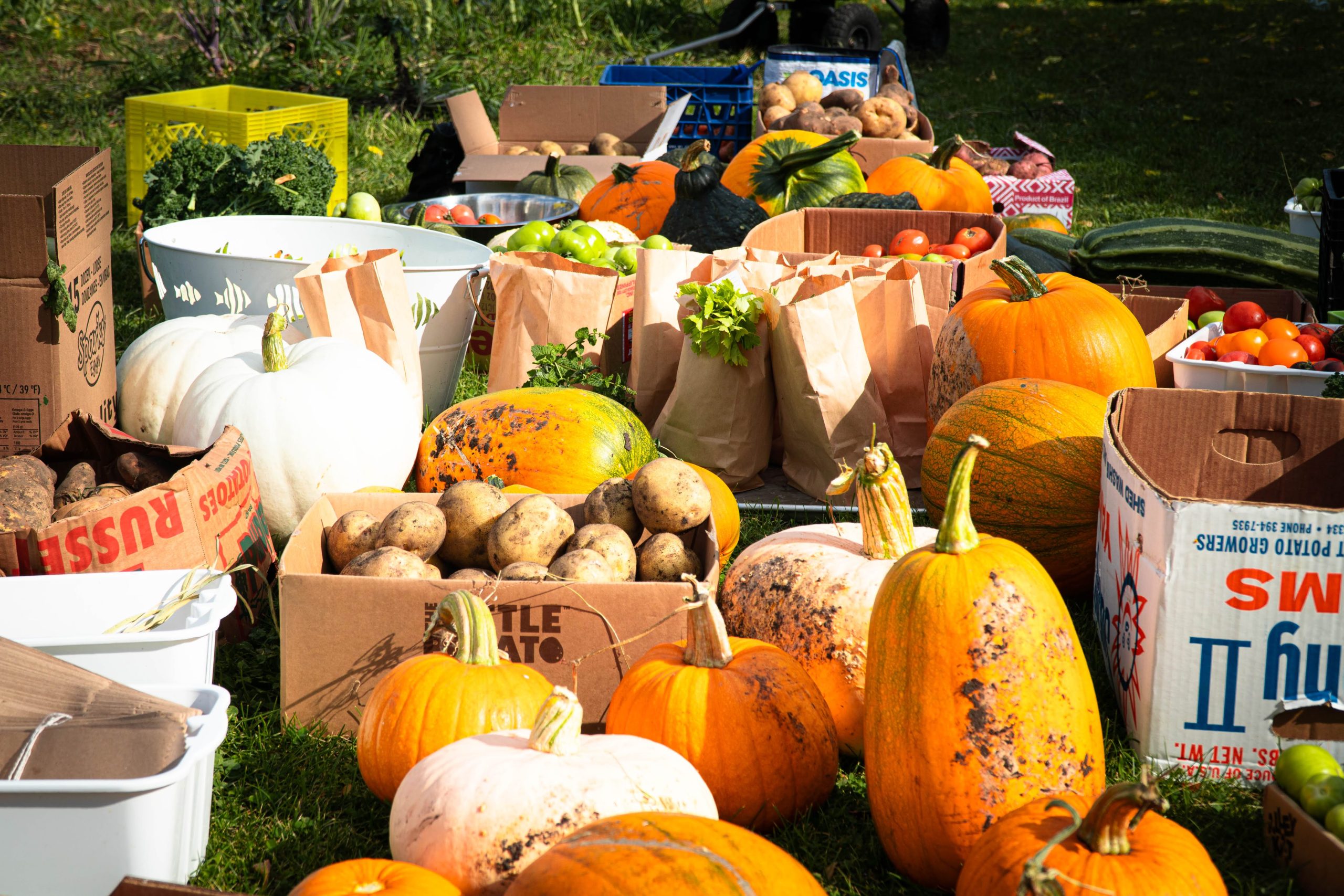
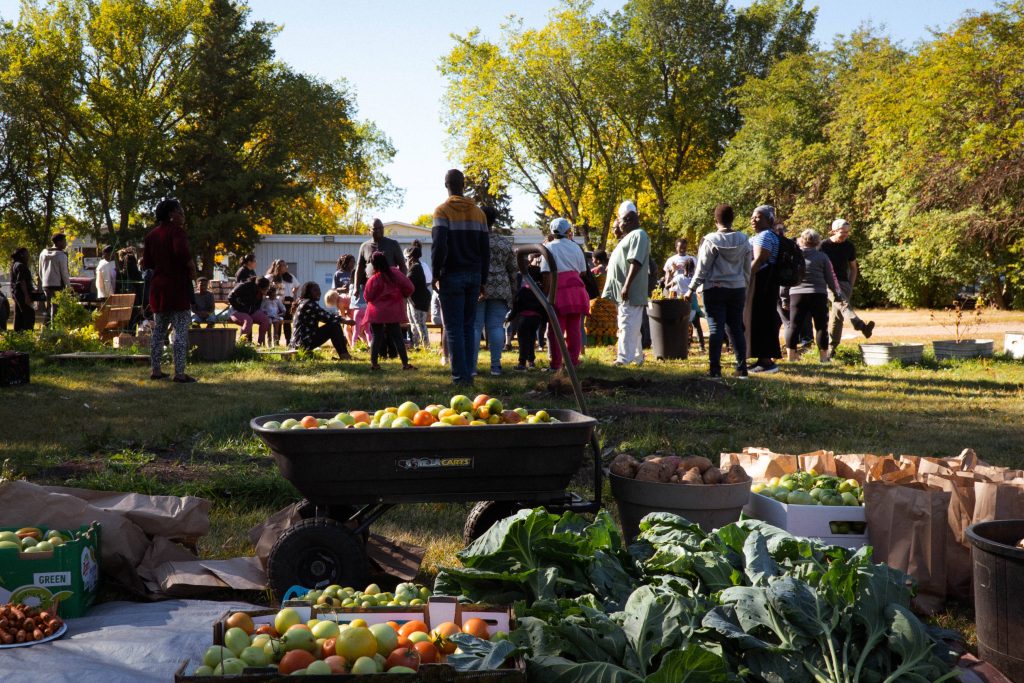
Despite its hopes to allocate more funding towards the local community, SCDO was quickly running out of funding. In 2021, the team came across the Healthy Communities Initiative (HCI); spearheaded by Shelley Sabo, Local Service Chair of the Rotary YEG Passport, the team applied for funding to be able to partner with other support services organizations, hire cultural animators for youth and more, and create a community garden at SCDO’s centre.
Somuah says that the funding was “a big break for us to start our community garden.” She adds that the HCI funding allowed the team to partner with mainstream organizations that their community otherwise wouldn’t have access to — such as Rotary branches and revitalization programs at the City of Edmonton — strengthening community ties and wellbeing.
Funding creating sustainability and safety
Somuah says that the need for an organization like SCDO is being continuously proven. “Every day, I see new kids who are new in the country, come into our program and transform over time,” she says.
She hopes that the organization will “be able to entrench our space and touch more lives. That’s the goal.”
As for what advice Somuah would give to other organizations applying for grant funding in a similar situation, she encourages the use of clear and simple language.
“It’s okay to write it in your own words — why are you doing it, what you need the funding for, and what you think you’ll be able to achieve,” says Somuah. “If you put something that’s not translatable into activity, it becomes difficult for you to be able to fulfill what you say you’re going to use the money for.”
She adds that funding is critical to SCDO’s work, allowing the team “to feel we have sustainability and safety. That’s my dream because we love what we do so much. You cannot just say because this funding has dried up […] let’s close our doors. We cannot.”